3D print a copy of an object, at the same size or a new one
Yes, once there is a model: a 3D printer cannot copy an object by itself. It goes into editable CAD, then prints at the same size or a new one. Send photos and the size you want for a free review. A person replies within one business day.
Can you 3D print a copy of an object?
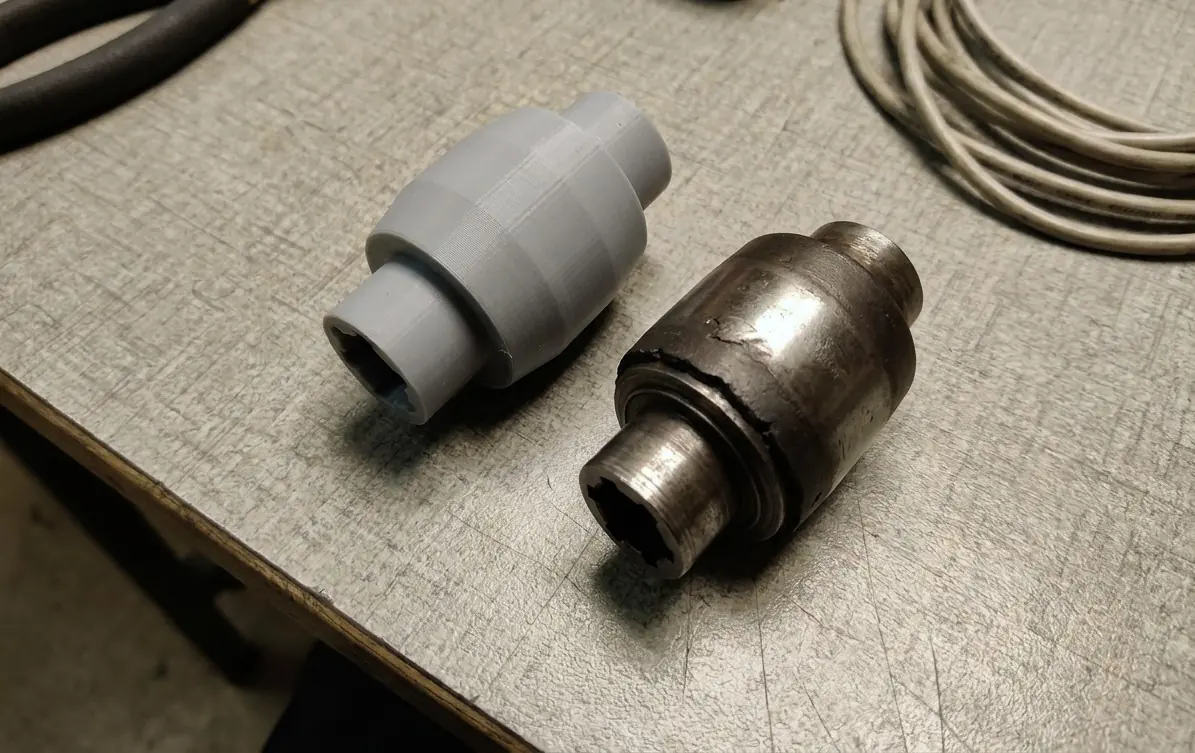
Yes. LOUEI 3D PRINT works from a scan, or from photos and measurements, and prints in FDM or resin. The copy is rebuilt from a model, so it will not match the object in every detail. Tell us what has to match: shape, fit, look or behaviour. Some parts cannot be reproduced, so start with photos.
- Photos are enough to start
- One-off parts are normal work
- A person reads every project
How big should it be?
That is the first question, and it decides what else can stay the same.
The same size
One more of the thing on your table. One is a fine number to ask for. Say which faces touch something else.
Bigger
Double every length and a solid part uses about eight times the material. Put the size you want in your first message, because it changes the plan.
Smaller
Thin walls, small lettering and fine ribs get thinner along with everything else, and they can drop below what prints. Say which details you would keep.
Measure it, scan it, or send photos first?
A flat or boxy shape can start from photos with a ruler beside it and a few key sizes; a curved or worn one can need a scan into editable CAD. Measuring works when you can give the sizes that matter and show the rest clearly in a photo. You do not need a scanner of your own, and you do not have to choose: the review says which route suits yours, and whether we need the object itself.
From photos to a price: how the review goes
Front, side and back, one with a ruler beside it if you have one. Fewer is still a start: the reply says what is missing.
- 1
Send the photos
Give the size you want (a percentage, one length, or what it must fit), what must stay the same, and what it does all day.
- 2
The reply
We read what you sent and write back with what can be done, or what we still need.
- 3
Price and plan
When the plan is clear, we confirm its price. Production begins only once you approve it.
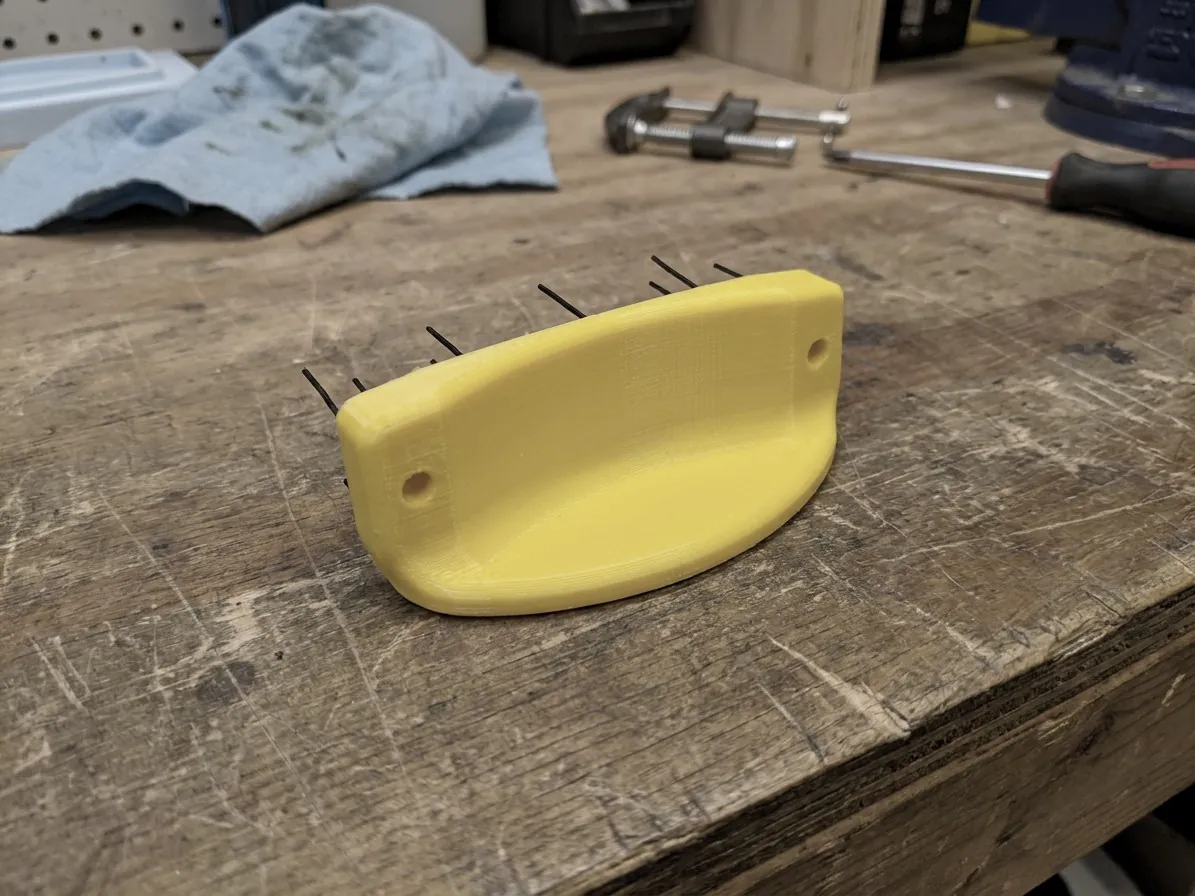
Resize an object and 3D print it bigger or smaller
When you resize a part, everything scales, but not everything should. Screw holes and threads are sized to hardware, snap fits depend on how a thin arm bends, and walls can turn too thin to print. Make a bracket bigger and its holes grow; the screws in your drawer do not, so we set the CAD again for the new size.
| What you resize | What happens | What we do about it |
|---|---|---|
| Screw holes and threads | They are sized to hardware, and hardware comes in its own sizes. | Keep the hardware size and resize the material around it. |
| Snap fits and clips | Arm thickness and catch depth work together, so scaling both changes how it clicks. | Redraw the arm. A clip that works at one size may not work at another. |
| Wall thickness | Walls shrink with the part and can get too thin to print, or need adding when it grows. | Set the walls for the new size. |
| Gaps between parts that fit together | A gap belongs to the process and the material, not to the size of the part. | Keep the gap and resize the outlines. |
| Text, patterns and fine detail | Small detail can fall below what prints, or look oversized on a big version. | Simplify it or redraw it. |
| Faces that touch another object | That face has to stay the size of whatever it touches. | Keep the faces you name at their size. |
Wall and detail limits follow two public design guides: Womp's (January 2025) and JLC3DP's (updated November 2026), read November 2026. The rest is ordinary design practice. That last column is an aim, not a promise of fit: your object decides how much of it is possible, and the review tells you. Tell us the new size.
Some things keep their own size
A bought bearing stays the size it was bought. A screw hole follows its screw. Thin slots close up first when everything around them shrinks.
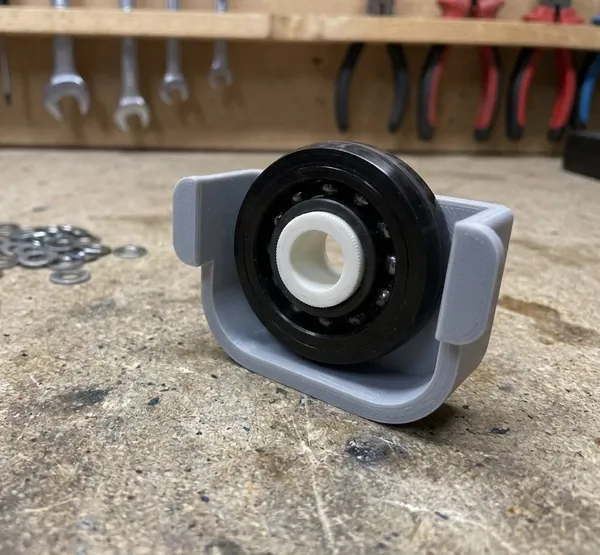
Grey U-shaped cradle around a black bearing 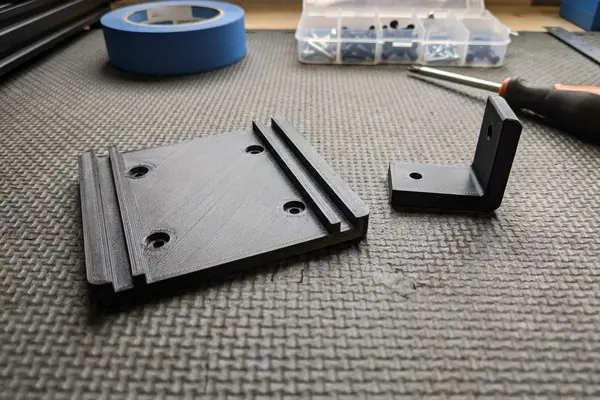
Black railed plate and small L-bracket on a mat 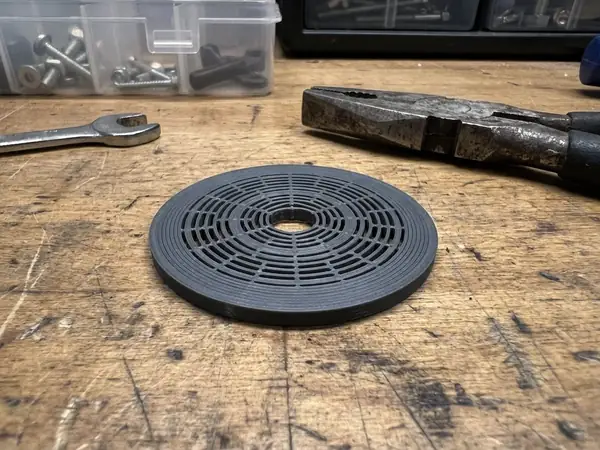
Round slotted disc on a scarred wooden bench
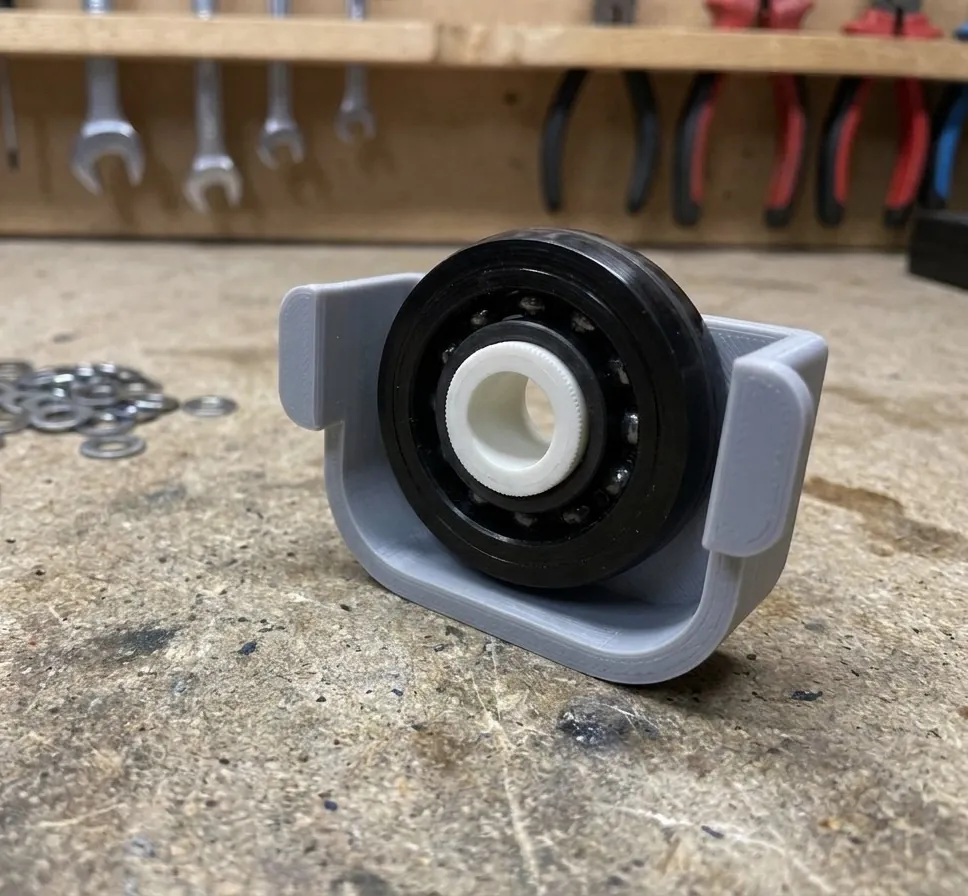
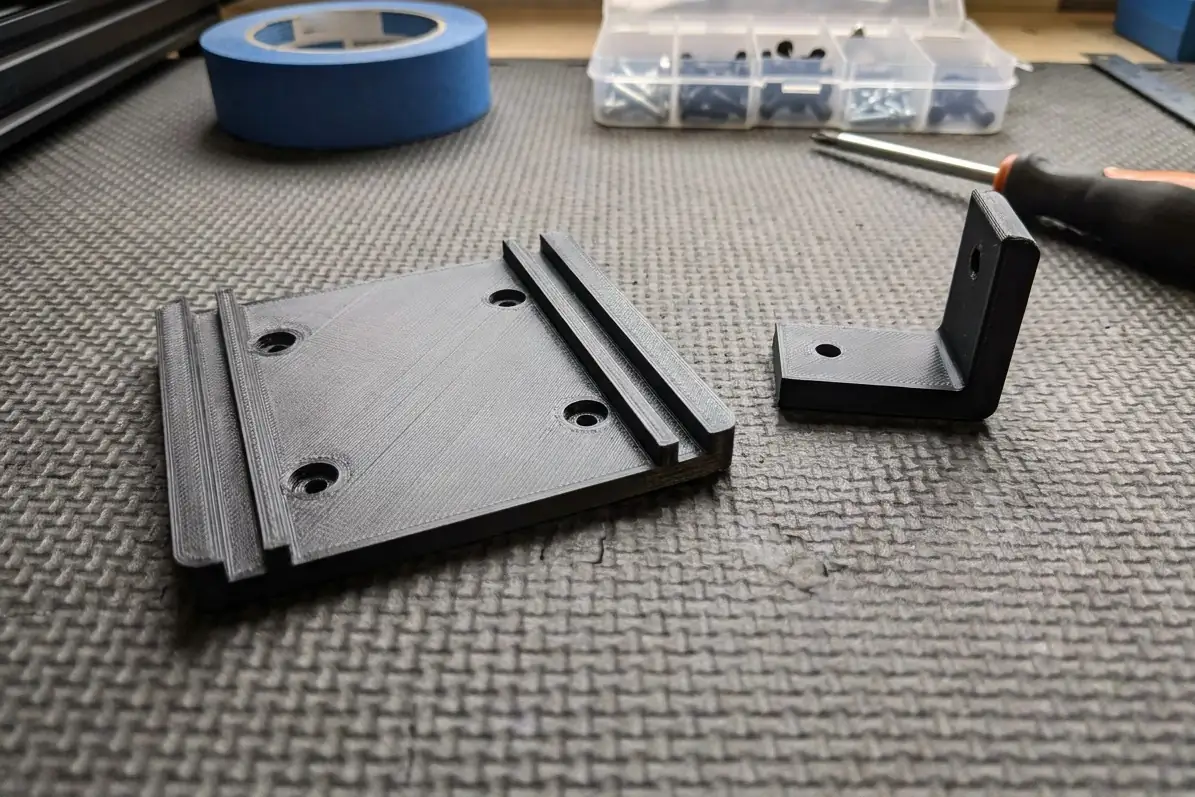
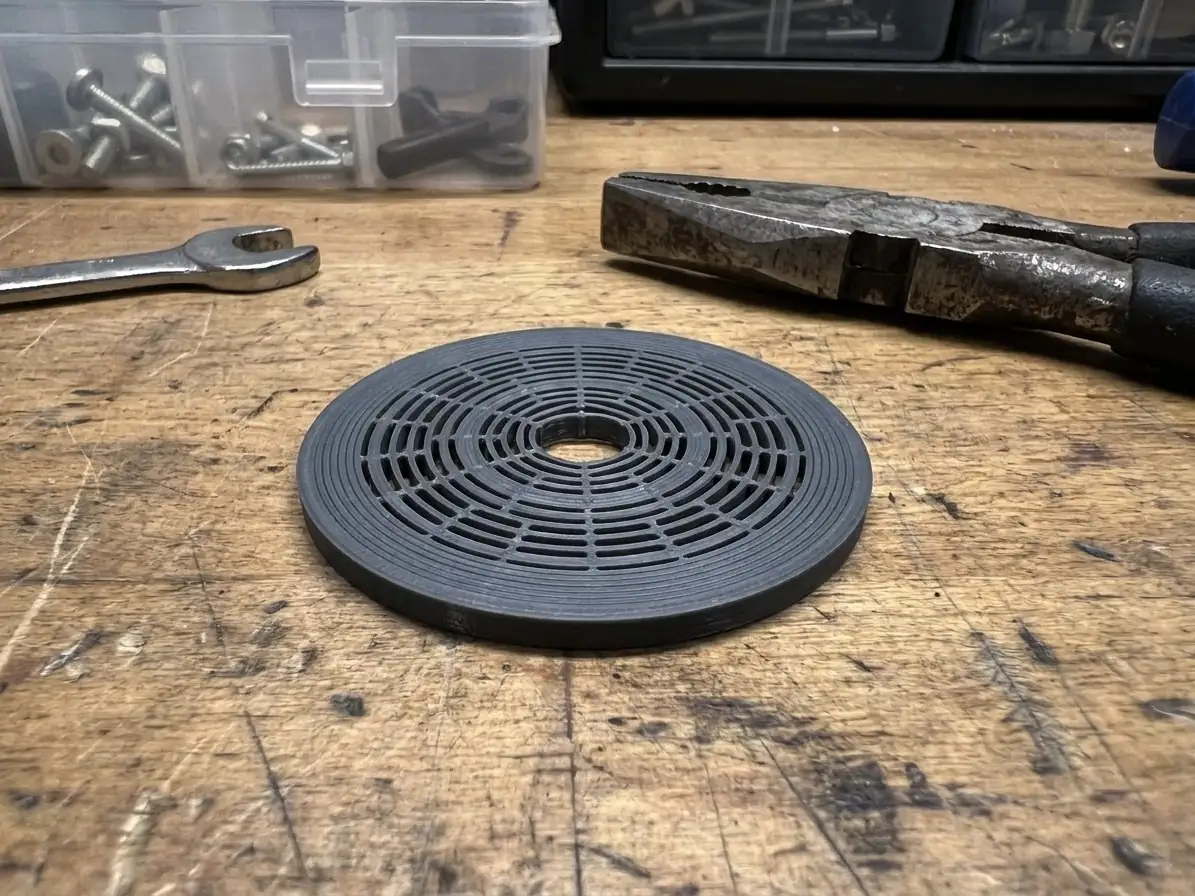
Will the copy be the same as my original?
How close a copy gets depends on the object and on how it is captured, so what must match is agreed first: the outline, how it connects to other parts, how it looks or how it behaves.
Tell us which of the four below matter for yours. In our process you approve a plan before production begins, so say what must match while it is still a plan.
- Shape: the outline and the curves, how it reads from across the bench.
- Fit: where it touches something else. Holes, tabs, the face that sits flush.
- Look: surface detail and texture. Colour is a question for the review.
- Behaviour: how it bends, grips or slides. A copy is usually a different material.
Is it legal to copy an object?
It depends on the object, who made it and whether the design is protected. Copyright and registered designs mostly protect how something looks; a patent can protect how it works. So a plain functional part carries less risk, but not none.
A resized copy is still a copy, so a new size does not change the answer. If it is your own design, tell us. If it carries a logo, a brand name or a character, or looks like someone else's registered design, a person on our team looks at that before we say yes, and we may decline.
Not sure who made it? Say so in your message. The Canadian Intellectual Property Office explains these rights (read 8 November 2026); this is general information, not legal advice.
Objects we may have to turn down
When we cannot make a copy, we say so. If you are not sure about yours, send photos and ask.
- Badly damaged, missing geometry, certification we do not hold: any of these can stop a copy.
- 3D printing beyond FDM and resin. We do not do SLS, MJF or metal printing here.
When another page fits better
It broke or is no longer made
A different job: it starts with what failed and what you still have.
You need several
More than one is its own decision: print again, or cast.
You want the CAD model
When the file is what you want, and not the object, start with the method.
You want cast copies
A silicone mould with copies in resin, plaster or cement is a separate route. Ask us whether your object can be moulded as it is.
A straight copy copies the wear too.
Rounded edges and old marks
A rounded edge goes into the new one unless somebody says otherwise. Say which surfaces are worn.
The CAD is editable, so the review can tell you whether a worn edge can be put right.
Written by the LOUEI 3D PRINT team. Last updated 9 November 2026.
Questions before you send anything
Can a part be scaled up or down for 3D printing?
Yes, but not by stretching the file. Scaling moves every dimension at once, screw holes and threads included. So we put the part into editable CAD, set the features tied to hardware to keep their size, and resize the rest.
Can you copy an object from photos?
Often, to start. Photos with a ruler can be enough for a simple shape; a curved one can need to be scanned into editable CAD. Send them and we will say which.
Can I scan it with my phone and send you the file?
Yes, send it. A phone scan gives a mesh, often an STL or OBJ, and both are accepted. It usually has no reliable size, so add one real measurement and say which faces have to fit something.
Do I have to send you the object?
Not to start. Photos begin the review. Whether we need the object itself depends on how much photos and sizes can show, and we tell you if we do. If it is your only one, ask how it travels and how it comes back before it leaves your hands.
How big or how small can you make it?
The review tells you what decides that for your object. Give the size you want and what it has to fit, and a person replies within one business day.
Will it behave like the one I have?
Not always, because a copy is usually a different material. Tell us what it does all day: bends, grips, rubs against something, sits on a shelf. We look at that against the FDM filaments and resins we print in, and we say so if we cannot recommend one.
Is one object worth your time?
Yes. One copy is a normal order for us, so send the one.
What will one copy cost, and how long will it take?
Price depends on the part's function, the process, the material and the quantity, and it is confirmed before production. The review is free, and you owe nothing unless you approve a plan. The review tells you what decides the timing for yours. What we can promise today is the reply, within one business day.
Can I just get the dimensions?
Say what the numbers are for when you send photos. What we work from is an editable CAD model, and the free review says whether we can help with sizes alone.
Who owns the CAD model when we are done?
Confidentiality and file ownership, the CAD model included, are agreed per project, in writing, on request. If your object or its model is sensitive, raise it at the start.
Send photos of the object
Front, side and back, one beside a ruler if you have one, with the size you want. If you know, add who made it, any logo or brand name on it, and whether you want the object, the CAD model or both.
If the object itself is needed, how it travels is arranged for your project.
Send photos of the object Ask a question first
Free review · Send photos first · Serving North America