3D Printing CNC Machining Coming Soon Reverse Engineering Serving North America
We make it.
We machine it.
We rebuild it.
Send a sketch, a CAD file, or a photo of a broken part — free review,
a reply within one business day, one part to production runs.
Reverse engineering, 3D printing, metal fabrication — CNC coming soon.
 See our process
From idea to finished part
 LOUEI Metal ArtsMetal fabrication

BlogWhat Your Printer Won't Tell You
Guides, material notes and part-repair insights from LOUEI 3D PRINT.
FDM • Resin • Molding & Casting
3D printing guides and part-repair insights
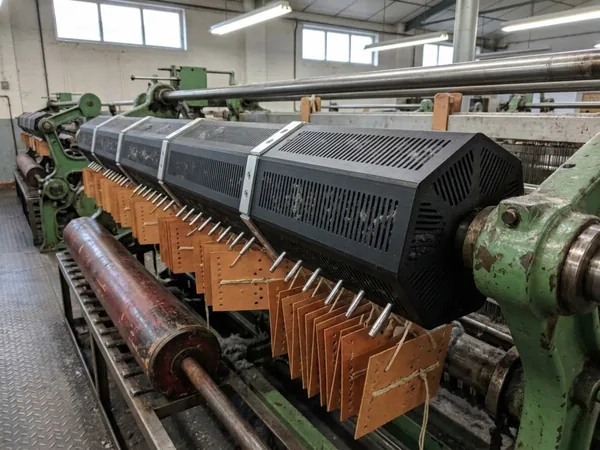
Part discontinued? What to try before scrapping the machine
Don’t drag that machine to the curb yet. The maker that won’t sell you the part may still have the drawing.
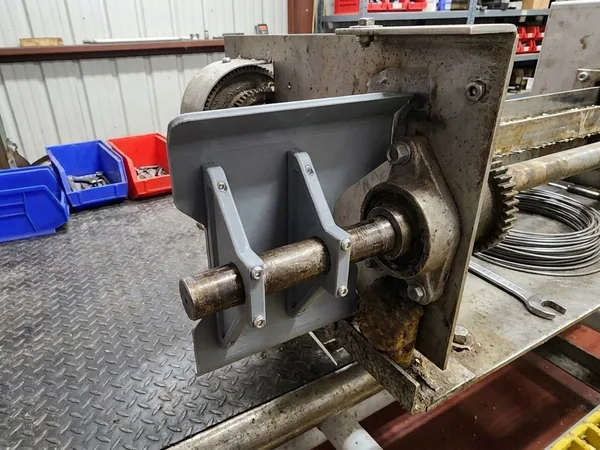
Broken part, no drawing: what to measure and send a shop
The form says ‘upload your CAD file.’ Your CAD file is in a drawer, in two pieces.
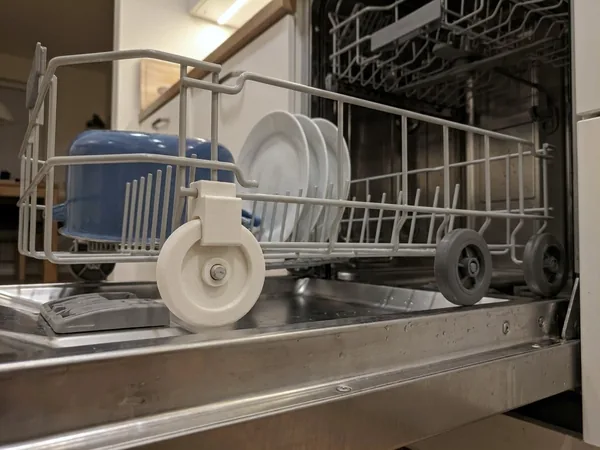
Broken part, no 3D printer: how to get just one made
Who do you even call about one little plastic part?
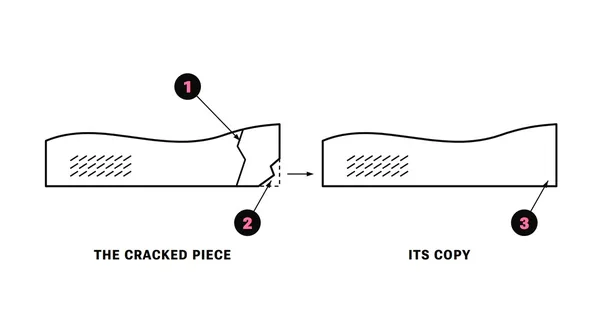
Dealer says NLA? How to get a plastic trim piece remade
Put down the super glue. That cracked trim piece is the pattern for its replacement.
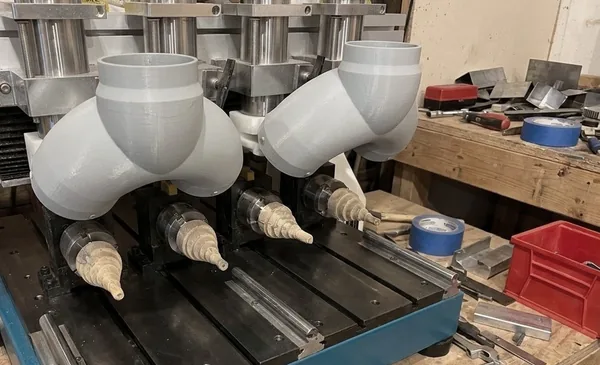
First batch of printed parts? What the shop needs from you
First batch of 100 parts, and the shop’s first reply is a list of questions you can’t answer.
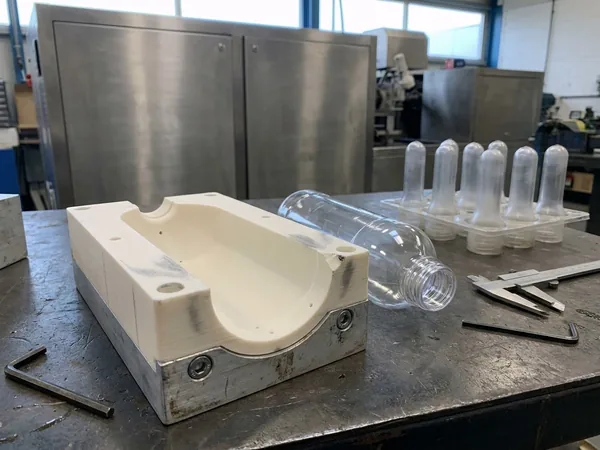
Small run of parts without paying for an injection mold
Twenty copies: print it twenty times, or pour twenty from one silicone mold?
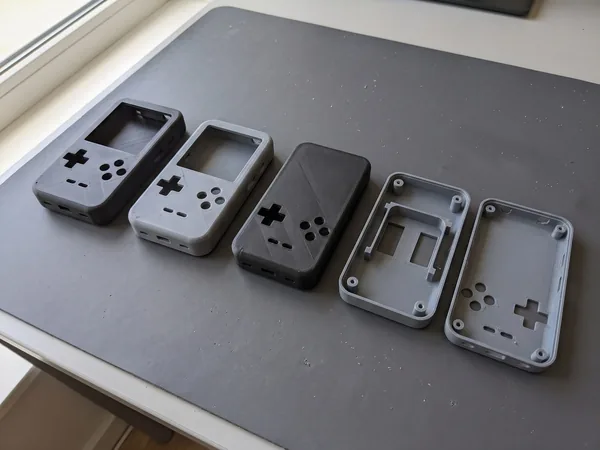
Prototype works. What has to change before you make 100?
That hour you spent fixing the prototype by hand? Multiply it by a hundred.
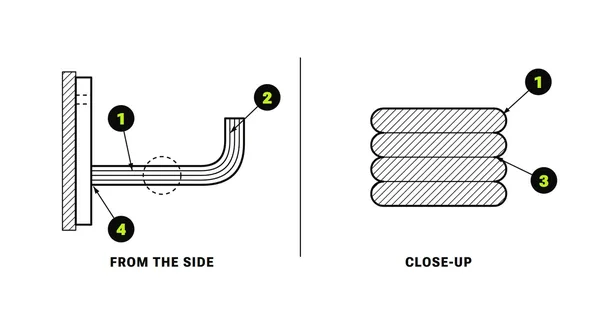
Will a 3D printed replacement part actually hold up?
Same part, same plastic, printed on its side instead of upright. One of them snaps first.
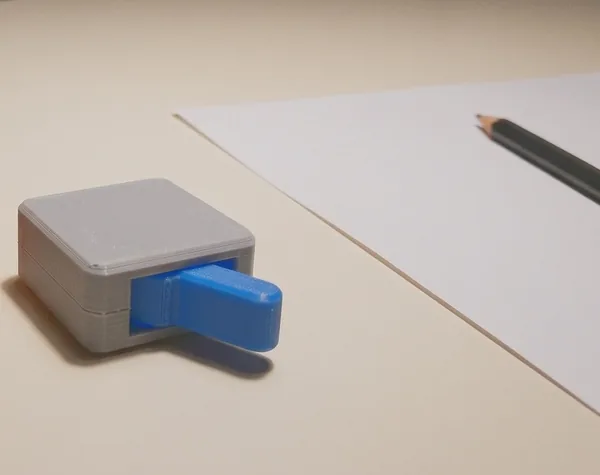
Sketch but no CAD? How to get a first prototype made
Your invention has been explained to your spouse, your brother and a guy at the gym. It has not been explained to anyone who can make it.
Half the part is missing. Can it still be copied?
A part in flawless shape can still be one a good shop refuses to copy.
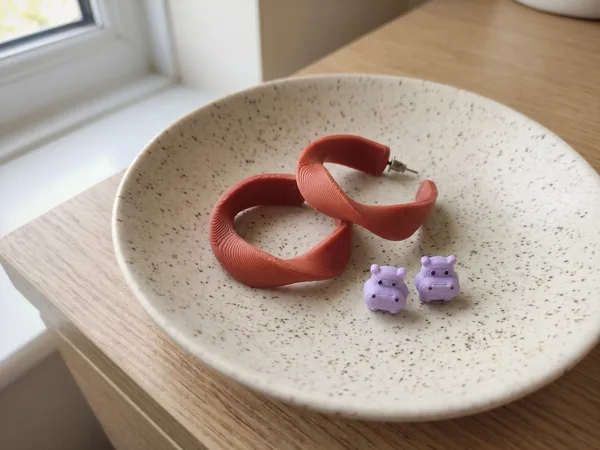
Why a tiny custom part costs more than it looks
The plastic in your small part might fill a teaspoon. That’s rarely what the quote is for.
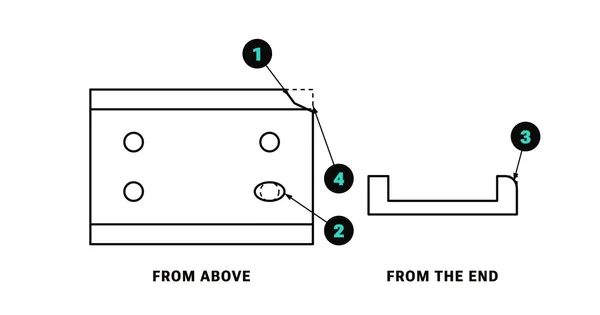
Part scan: mesh or CAD? What to ask before you pay
Moving one screw hole in a 3D scan is like fixing a typo in a photo of a letter.
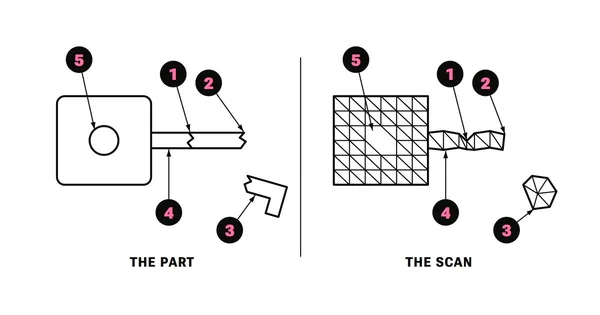
Can a phone 3D scan a broken part well enough to copy?
Shiny metal, clear plastic. Point a phone at either one and watch the scan fall apart.
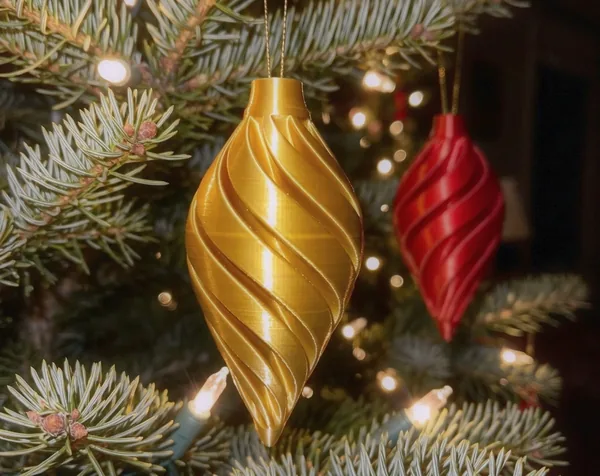
Several copies of one prop? When to cast and when to print
Print the same prop three times and you get three slightly different props. Pour three from one silicone mold and you start from one shape.
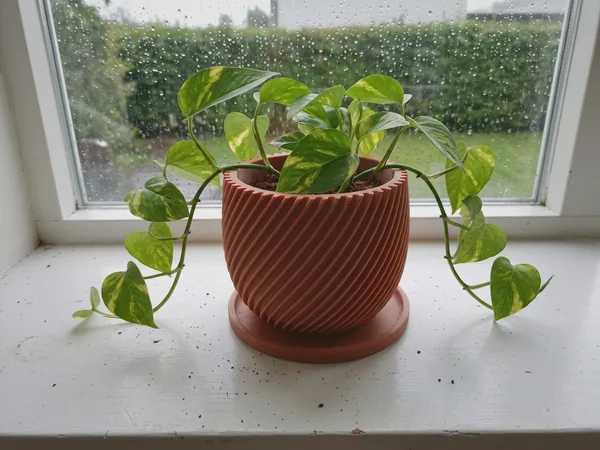
Cast cement decor without sculpting: print the master first
Printed master, silicone mold, then plaster or cement. Here’s how the chain works and where it can break.
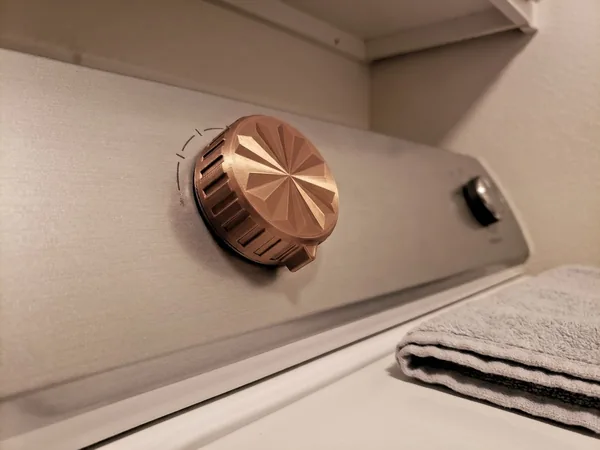
Discontinued appliance part? When a copy makes sense
A printed oven knob sounds like a smart fix until the oven’s on.
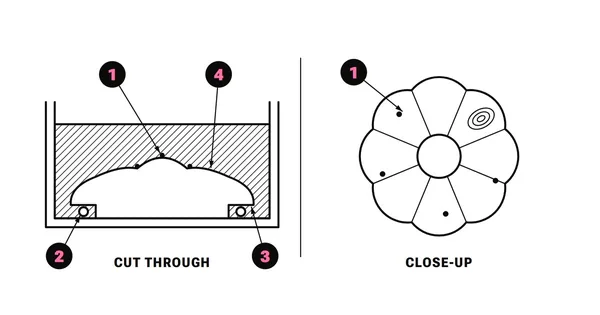
Silicone mold copies at home: where DIY casting goes wrong
The first thing a home silicone mold copies is the dust on your original.
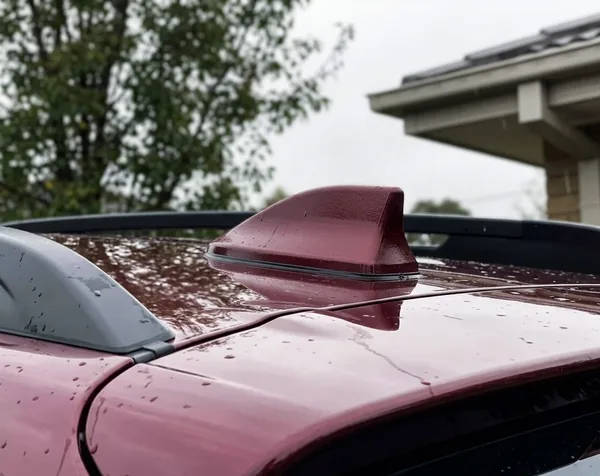
Which car parts can be 3D printed, and which never should
A printed clip on a shelf and a printed clip in a parked car in July are two different tests.
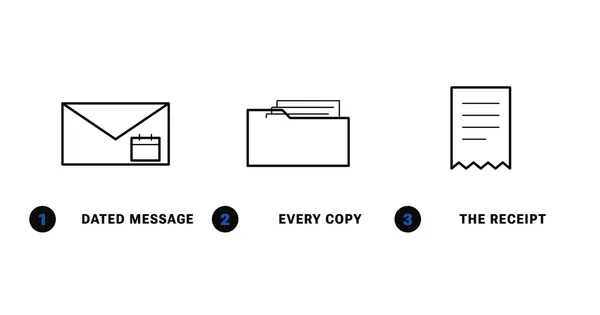
Paying someone to make a part? How to avoid getting ghosted
They answered every message in minutes, right up until you paid.
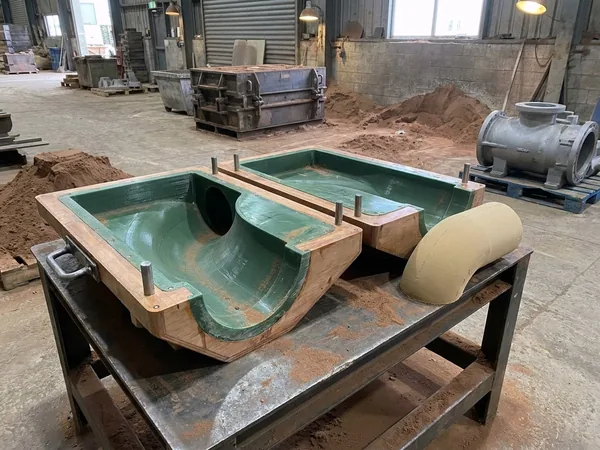
Who owns the CAD file and silicone mold you paid for?
You paid for the CAD and the silicone mold. That doesn’t automatically make them yours.
Where to begin
You do not need perfect drawings to start.
Most projects arrive as something rougher than a finished drawing. Whatever you have is enough to open a conversation — a person reads it and works out the right way to build it, or tells you honestly if we are not the right supplier for it.
- An idea or a description
- A sketch on paper
- A photo
- A CAD file
- Existing measurements
- A broken or worn component
- A physical part to copy
- A previous order or approved sample
Rest on a starting point and this line answers — pick it, and the form opens with it already noted.
Both doors reach the same person, and the review is free — a human reads every project before any process, material, price or timeline is confirmed, within one business day. You owe nothing unless you approve a plan.
Know the process already? The services rail on the left goes straight to it. Recognise your goal? It is on the right.
Familiar situations
What usually happens, and what you end up with.
Seven ways projects usually arrive. They are patterns, not finished case studies — your own path is settled during review.
-
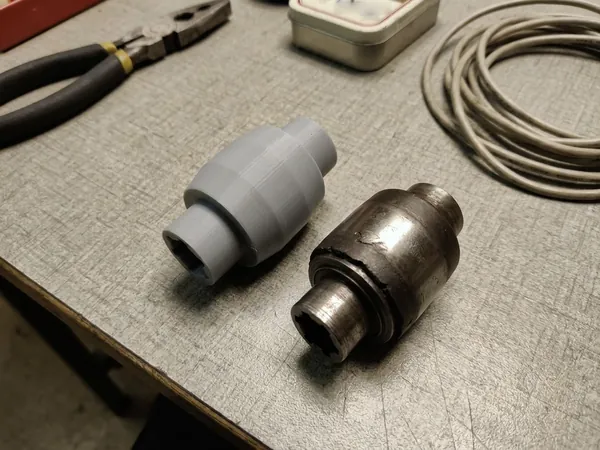
A part broke, and you cannot buy another
You bring the broken part we may measure or scan it and rebuild the CAD you get a replacement, and a model to reorder from
Typical processes3D Scanning & Reverse Engineering Custom 3D Printing CNC Machining (coming soon)
-
You have an idea, but nothing manufacturable yet
You bring a sketch or a description we may turn it into a design that can actually be made, then prototype it you get an approved part you can use or sell
Typical processesCustom 3D Printing
-
You already have the CAD
You bring a model and your requirements we may review it for the chosen process and flag anything that will not build well you get the manufactured component
Typical processesCustom 3D Printing Metal Fabrication CNC Machining (coming soon)
-
Something holds your work in place badly
You bring the problem, and the part it has to hold we may design a jig or fixture around it you get a tool built for your setup
Typical processesCustom 3D Printing
-
You need the same thing again, and again
You bring an approved sample or a previous order we may settle on a method that repeats reliably you get matching parts you can reorder
Typical processesMolding & Casting
-
An object needs to be copied, resized or measured
You bring the object we may scan it, then rescale or modify the model you get a digital model or a copy
Typical processes3D Scanning & Reverse Engineering
-
It has to look right on camera or on a stand
You bring a brief and references we may model it, then print it in fine detail you get a prop, replica or display piece
Typical processesResin 3D Printing
-
Quantity
One part, a prototype, or a repeat run
The right process is not the same at every quantity — a single replacement is not made the way a repeat order is.
- A one-off replacement part
- A functional prototype
- Bridge production while tooling is decided
- Repeat orders from an approved sample
Quantity, tooling and process are confirmed together during review, before anything is made.
Capabilities
The facts, for people who compare suppliers.
Have CAD and a deadline? This is your section. Everything below is how we actually run — and anything it does not answer, ask and you will get a straight answer in the first reply.
- Processes, in-house
- 3D scanning & reverse engineering · CAD · FDM & resin printing · metal fabrication · molding & casting · CNC machining coming soon
- File formats
- STEP · STP · STL · OBJ · IGES · DXF · DWG · PDF · photos · ZIP
- First response
- Free initial project review within one business day — no obligation until you approve a plan
- Quoting
- Human review — process, price and timeline confirmed with you before production
- Quantities
- One-off replacements · functional prototypes · bridge runs · repeat orders
- Equipment
- FDM & resin printers · plasma & cold-saw cutting · MIG & TIG welding · silicone molding & casting · CNC milling & turning coming soon — build envelopes confirmed during review
- Materials
- Aluminum · steel · stainless · engineering plastics · PLA · PETG · ABS · ASA · Nylon · carbon-fibre blends · resins · urethane & silicone
- Tolerances
- Held to your drawing — tight-tolerance features reviewed and quoted per part
- Lead times
- Quoted per part and agreed with you before production begins
- NDA & file ownership
- Confidentiality and ownership of project files confirmed in writing as part of your quote
Upload your fileBrowse the services
How a project moves
From first review to finished build.
The full process has nine steps — the same 01–09 line drawn across the masthead. These are the five stages you feel as a customer.
- 01
Show us what you have
A photo, a sketch, a CAD file, measurements, or the physical part itself.
- 02
Human project review
What the part has to do, how many you need, what it must be made of, how accurate it has to be, and where it is going.
- 03
Confirm the production plan
Process, scope, limitations, price and expected timeline — agreed before anything is made.
- 04
Build and check
Make the part on our own machines and check it before it ships.
- 05
Deliver, and make reordering easier
Ship the finished work, and keep the approved project information so the next order does not start from nothing.
There is no automatic quoting here. A person decides how your part should be made.
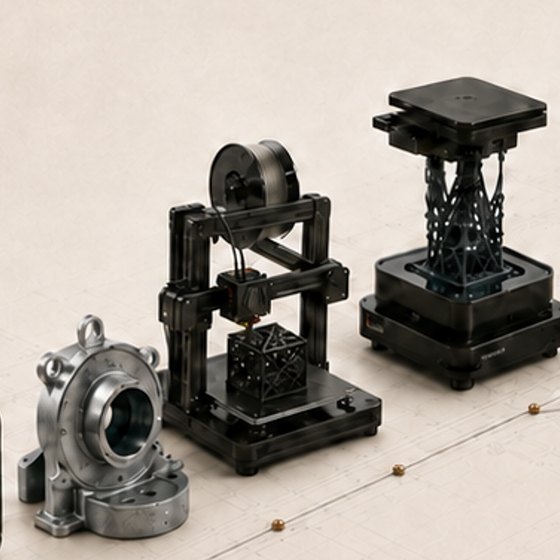
Work
Made again, made new, made many.
A part that broke, a part that never existed, a part that works.
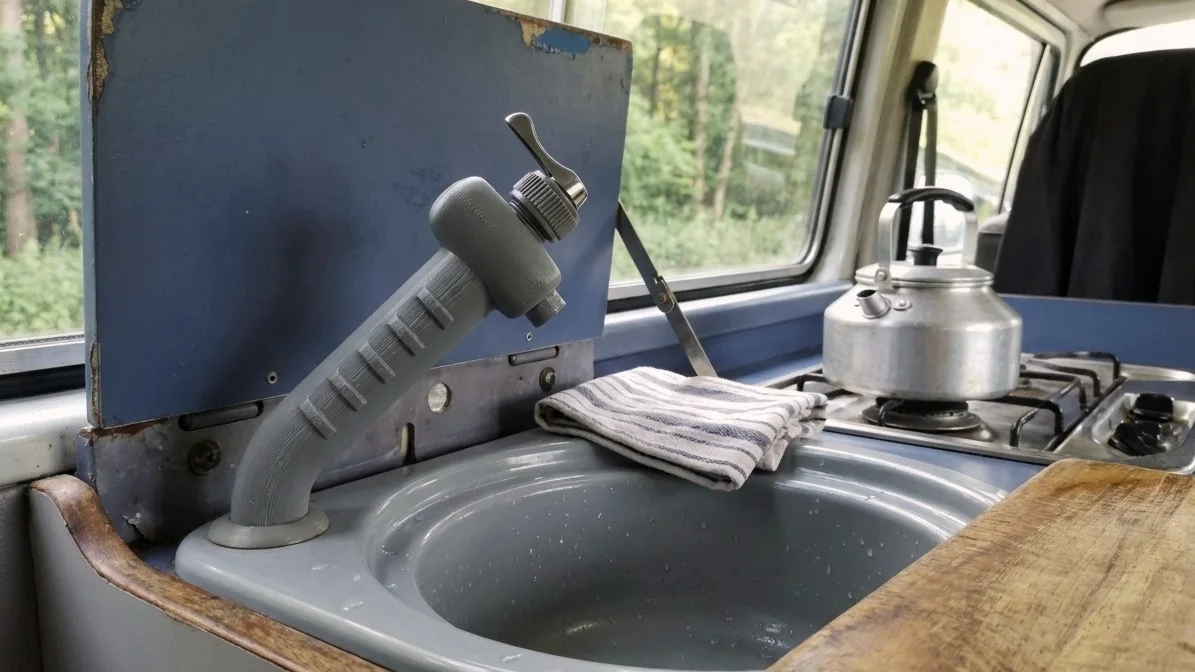
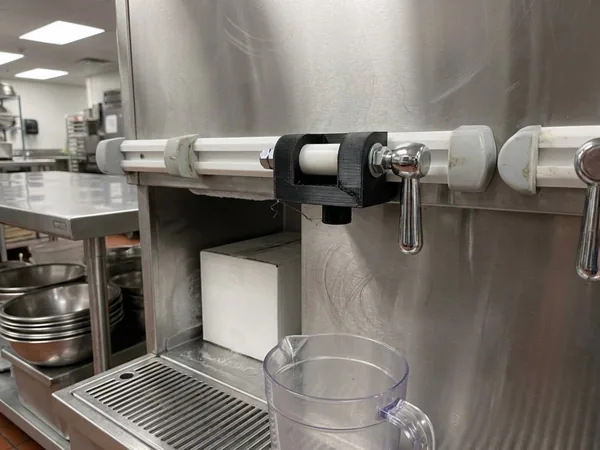
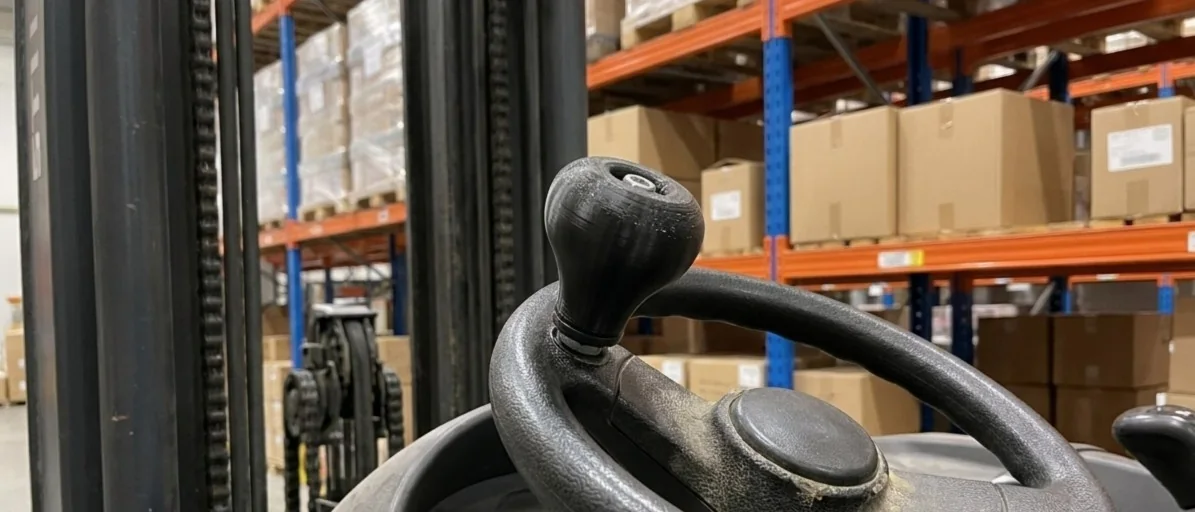
Made again: a tap for an old camper van's sink 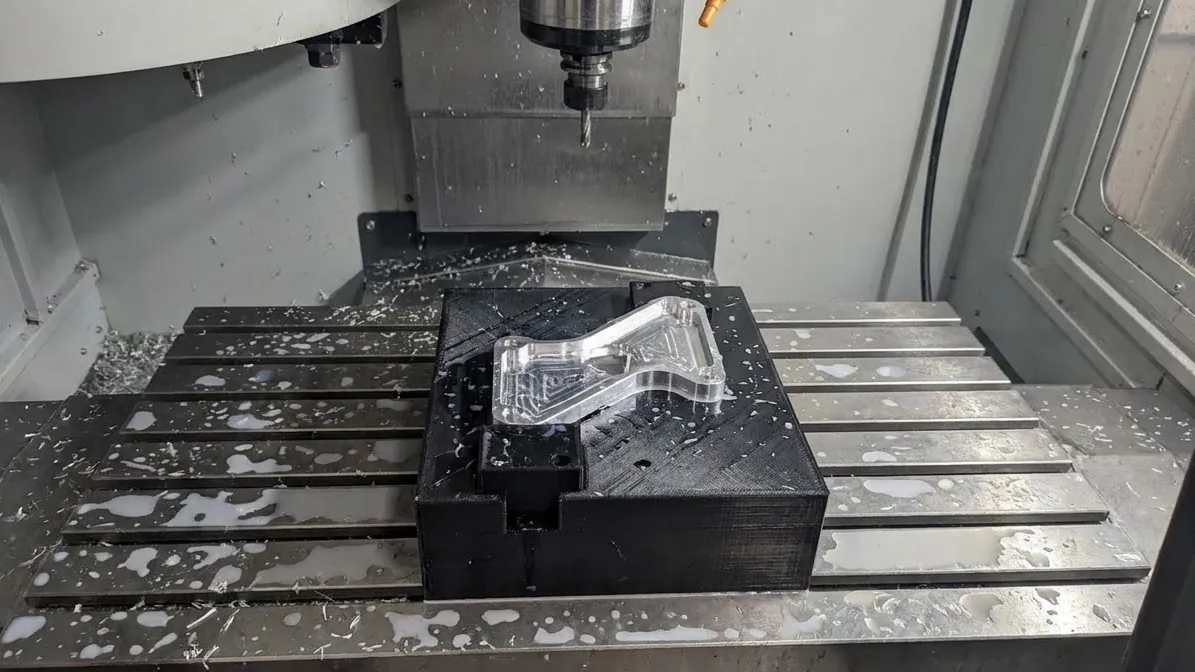
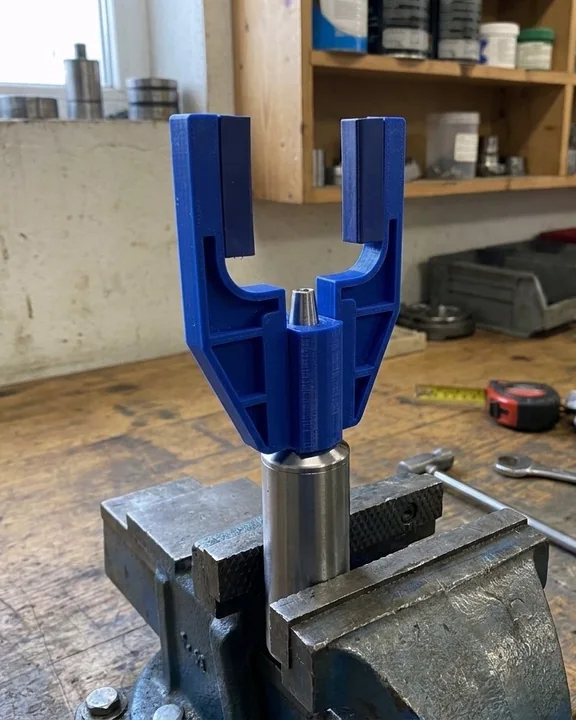
Made new: a nest that holds a part on the mill 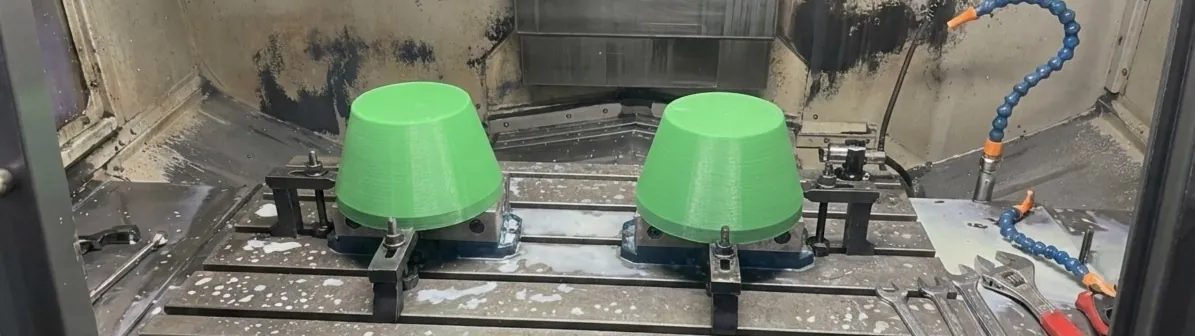
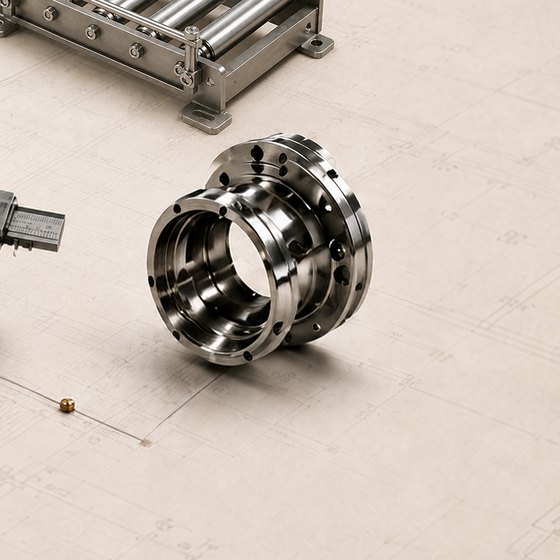
Made many: the same cone, over and over

A broken part, a sketch or a sample: any one is enough to start.
Who we build for
You will probably recognise your own project here.
- Machine repair and maintenance
- Product developers and startups
- Manufacturing and automation teams
- Tooling, jigs and fixtures
- Consumer products
- Architecture, exhibits and displays
- Film, events and creative production
- Artists, museums and galleries
- Research and educational projects
How we work
Know what will happen before production begins.
A person reviews your project
Not a form and not an algorithm. Someone reads what you sent and decides how it should be approached.
Material and process are recommended, not assumed
If the material you asked for is wrong for the job, we will say so and explain what we would use instead.
Design feedback before anything is made
If a feature will not build well in the chosen process, you hear about it while it is still cheap to change.
You approve the plan first
Process, scope, price and timeline are agreed before production starts.
Ask about anything the project depends on
File confidentiality and NDAs, who keeps the CAD, how parts are checked, packaging, shipping and reordering — ask before you commit, and you will get a straight answer for your specific project.
Before you start
Common questions.
Starting a project
Q.01Does it cost anything to ask?
No. The review and the quote are free — you owe nothing unless you approve a plan and production begins.
Q.02Do I need a CAD file?
No. A photo, a sketch, measurements or the physical part is enough to begin. If a model is needed to make your part, building one can be part of the job.
Q.03Can I start with a photo or a broken part?
Yes — that is one of the most common ways projects arrive. Send photographs from a few angles, and any measurements you already have.
Q.04Can you make a one-off replacement part?
Yes. Single parts are normal work here, not an exception.
Q.05What happens after I send my project?
It is read by a person, then you are contacted with questions or with a proposed plan — the process, the scope, what it will cost and how long it should take.
Q.06How is the manufacturing process selected?
By what the part must do. The same shape can be printed, cast or fabricated (CNC machining is coming soon), and the right answer depends on strength, accuracy, quantity, finish and cost together.
Q.07Can you help with material selection?
Yes. If you are not sure, describe how and where the part will be used and it will be recommended for you.
Q.08Can every old or broken part be reproduced?
No, and you will be told honestly when it cannot. Parts that are badly damaged, missing critical geometry, or subject to certification we do not hold may not be reproducible.
Files, pricing and delivery
Q.09Which file formats can I send?
Common CAD and mesh formats — STEP, STL, OBJ, IGES, DXF — plus PDF drawings and plain photographs. Send whatever you have; if something cannot be used as sent, you will be told what is needed instead.
Q.10How is pricing determined?
From the part itself: what it has to do, the process it needs, the material and the quantity. Price is confirmed with you before production, not generated automatically.
Q.11Can you produce repeat orders?
Yes. Once a part is approved, the project information is kept so a reorder does not start from scratch. The method that repeats best is chosen during review.
Q.12Where do you ship?
Shipping is arranged per project. Tell us where the finished work needs to go and it will be confirmed with your quote.
Q.13How are my files handled?
Ask before you send anything sensitive, and the handling and confidentiality terms for your project will be confirmed in writing.
Q.14Who owns the CAD produced for my project?
Ownership of files created for your project is agreed as part of the quote. Raise it up front and it will be confirmed before work begins.
You do not need to have everything figured out.
Two doors in. Both reach the same person — and the review is free.
Show us what you have
A photo, a sketch or the part itself — for projects that need a person to work out the right approach first.
Start hereUpload CAD & specifications
For projects where the process is already decided or production data exists.
Upload your fileNot sure what to call any of it? Describe the problem in your own words — what you have, what the result has to do, roughly how many, and where it is going. A person reads every message, and anything you do not know yet is settled during review.
LOUEI 3D PRINT · Serving North America · info@louei3dprint.com