Several copies of one prop? When to cast and when to print
Print the same prop three times and you get three slightly different props. Pour three from one silicone mold and you start from one shape.
Short answer
3D printing vs casting for prop copies comes down to one question: must every copy start from one shape? For a few copies of one prop, or a design that may still change, print each copy. For a set that must look like one piece repeated, cast them from a silicone mold.
One shape, or several
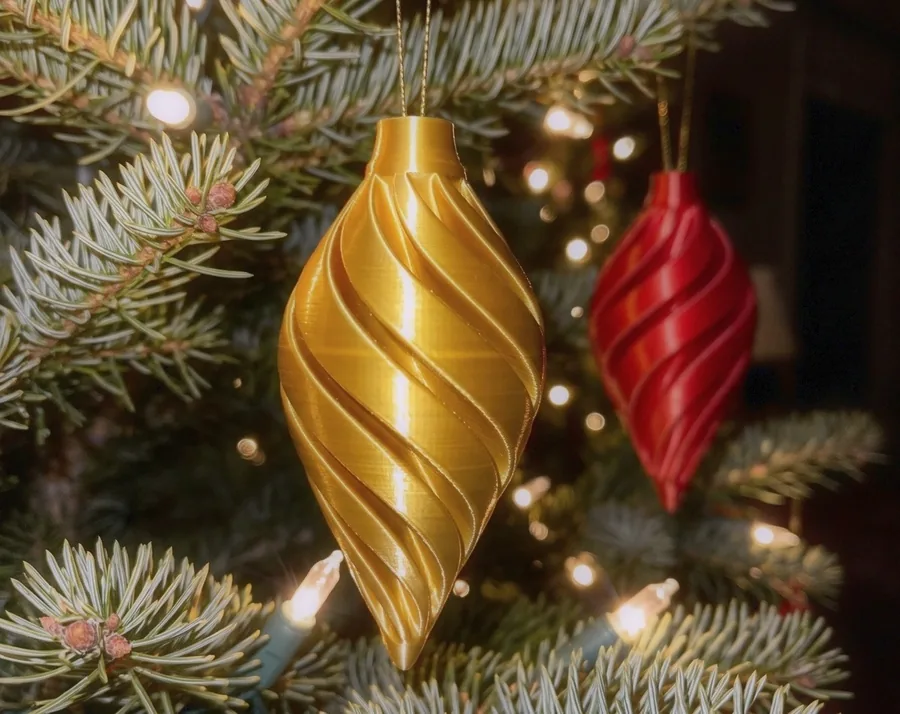
Prints of one piece are each built on their own and can differ a little; pours from one silicone mold all start from the mold’s one shape.
Both routes can give good copies. What differs is where each copy gets its shape. A print is built layer by layer in a run of its own, and research on filament printing finds that a part’s shape can vary with the printer’s settings. A pour fills a cavity shaped around one master, so copies from one mold tend to look alike; the mold slowly wears, though, so the first copy and the last are not promised to match.
Read across from the row most like your piece; if two rows fit, the stricter one decides. The wider job of planning a set of the same piece has a page of its own.
Layer by layer, or one mold
| Your situation | Print each copy | Print or scan a master, then silicone mold and pour |
|---|---|---|
| A few copies | A fair choice: no mold has to be made first. | The mold comes before the first pour, which may not be worth it for a few. |
| Many copies | Each copy is a build of its own, and printed parts can vary with the printer’s settings. | Copies follow one mold, though the mold wears with use. |
| The design may still change | Edit the file and print the next one. | Changing the piece means a new master and a new mold. |
| A large piece | The printer’s size sets the limit; give the biggest measurement when you ask. | The mold and the pour set the limit; give the biggest measurement when you ask. |
| Thin or fine detail | Detail depends on the process and its settings; name thin walls and fine texture, and try one first. | The mold takes the master’s detail, flaws and all; name thin walls and any shape that hooks back. |
| Every copy must start from one shape | Each print is a separate build, so copies can differ a little. | Each pour fills the same cavity, shaped by one master. |
| The original must not be touched | A scan of the piece can supply the file to print from. | If the piece suits it, scan it and print a master, so the mold never touches the original; the free review decides. |
Is a silicone mold worth it if you need only a few copies?
Often not: with only a few copies, or a design that may still change, printing each copy is the fair choice, because no mold has to be made first.
A silicone mold starts to earn its place when copies must start from one shape, because every pour follows the same cavity, and the cavity follows one master. It is not a source of copies for ever: one silicone maker says a mold’s life depends on what is cast in it and how often, and that abrasive materials wear its detail quickly.
So no rule of thumb on this page tells you when a mold pays off for your piece. Two things move the point where a mold pays off: how many copies you need, and how alike they must be. LOUEI 3D PRINT scans parts, prints in FDM and resin and makes silicone tools, so either route can be weighed for your piece in the free review.
Will making a mold damage my original prop?
Nobody can promise that before seeing the piece, but there is a way round the risk: scan the original and print a master, so the mold never touches the original.
To make a mold, liquid silicone is poured around the master. When it has set, the mold is cut open and the master is taken out, so if the master is the original, the original goes through the whole process. One silicone maker warns that its rubber can fail to set against some surfaces, and suggests a small test patch first.
Whether your piece should go into a mold itself is a question for the free review. It helps to send these:
- How many copies: the number you need now, and whether more may follow.
- The piece: the original, or photos of it if it cannot travel.
- Its biggest size: one measurement, and a photo with a ruler beside the piece.
- What the copies must do: stand on a shelf, or be handled and carried.
- What may differ: nothing, or one detail you name.
Will the mold copy the flaws in my master?
Yes: a silicone mold repeats the surface of its master, flaws included, so every copy shows what the master shows.
One maker’s introduction to resin casting says a pour picks up every detail of its pattern, even fingerprints. One print shop’s guide says a master should look just the way you want the cast copies to look. So layer lines on a printed master, a scratch or a seam can all come through into each copy.
Settle the master before the mold is made, because changing it afterwards means making a new mold. Nothing on this page promises the colour, texture or feel of the copies.
- Layer lines: the mold takes them, so every copy shows them.
- Support scar: a small mark where the print was held while it was built.
- Dent: a mark in the master is a mark in every copy from this mold.
- Flat base: the side the master rests on while the mold is made.
What the master shows, every copy shows: decide on it before the mold.
Can a resin 3D print be the master for a silicone mold?
Often yes, says one silicone maker, on one condition: the resin print must be fully cured, or platinum silicone may not set against it.
LOUEI 3D PRINT prints in resin as well as FDM, and makes silicone tools with resin, plaster or cement pours.
The maker’s guidance explains the condition: a resin print is not fully cured when it comes off the printer, and deep or hidden areas that the curing light does not reach can stop the silicone setting next to them. The same maker suggests a small test before a whole mold.
If the copies are needed by a date, say so when you write: casting time depends on the size of the job, with no fixed number, and a person reads every project and replies within one business day.
Before you contact any shop
Have these ready. Any shop will ask for most of them.
- Photos: the whole part on plain paper, the same view with a ruler beside it, and the break up close.
- The sizes you can measure, and what the part fits onto or into.
- Where the part lives and what it does.
- How many you need.
- Any file or drawing you have, even an old one.
At LOUEI 3D PRINT you can start from anything: an idea, a sketch, a photo, CAD, measurements, the broken part itself or a previous order. We read STEP, STL, OBJ, IGES, DXF, PDF drawings and photographs.
When this is not a job for a shop
- If you pour your own copies, read the product’s safety data sheet and label before you mix.
- Wet cement is caustic: wash it off skin at once, and see a doctor if the irritation persists.
- A piece someone else designed raises a rights question: in Canada the author, not the person who paid, is by default the first owner of copyright (general information, not legal advice).
Some parts cannot be reproduced: parts that are badly damaged, parts with missing geometry, and parts that need a certification we do not hold.
Written by the LOUEI 3D PRINT team. LOUEI 3D PRINT makes custom and replacement parts: 3D scanning and reverse engineering, FDM and resin 3D printing, molding and casting. Serving North America.