
I only have this one. Is that enough?
Silicone Mold Making & Casting in Resin, Plaster and Cement
We print a master, take a silicone mould and cast your copies in resin, plaster or cement.
A photo is enough.
Mold making and casting, in three steps.
One 3D printed master, one silicone mould, then the copies cast from it.

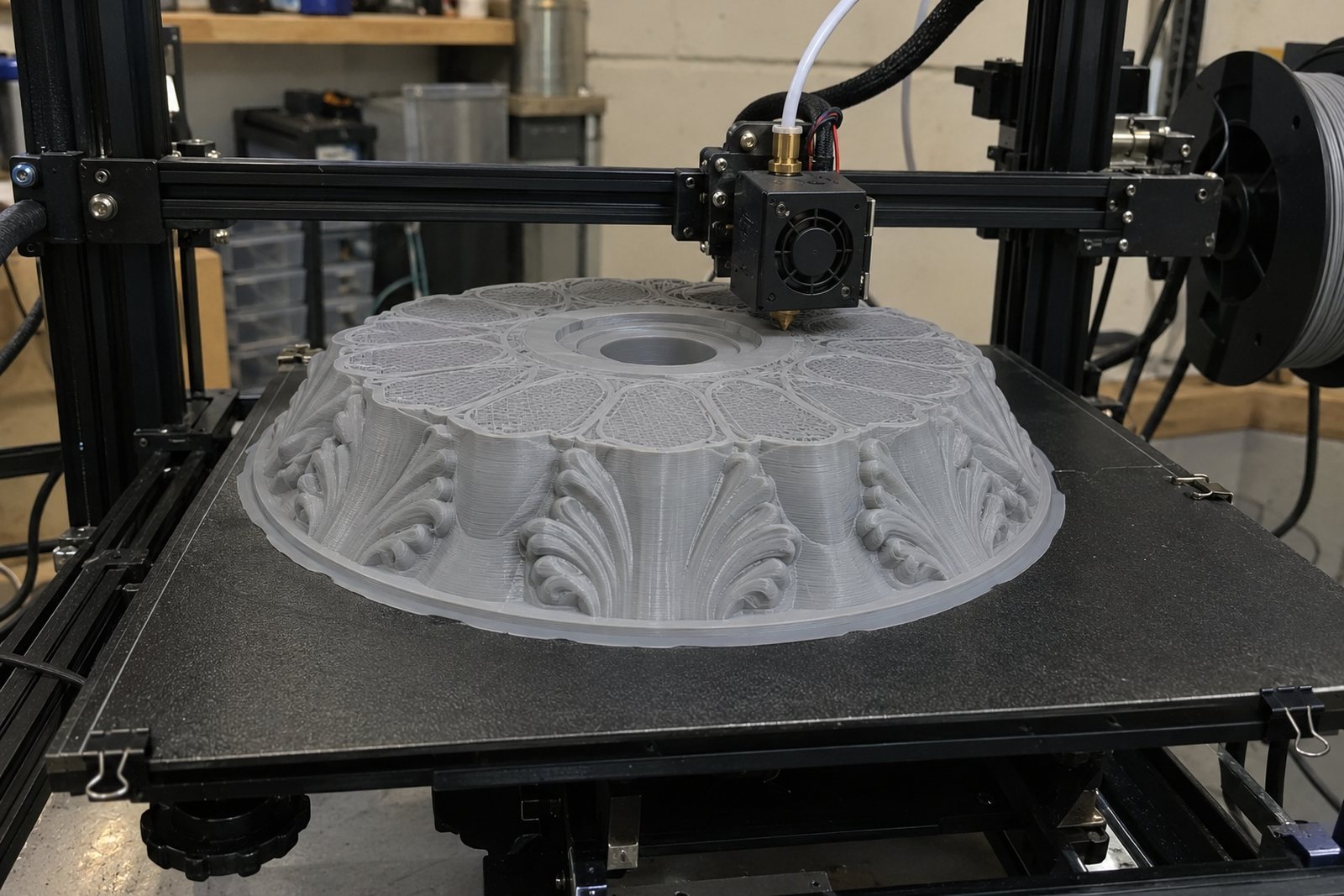
A 3D printed master.
We 3D print the master pattern in FDM or resin: from your file, from a 3D scan of your piece, or from a sketch and measurements.
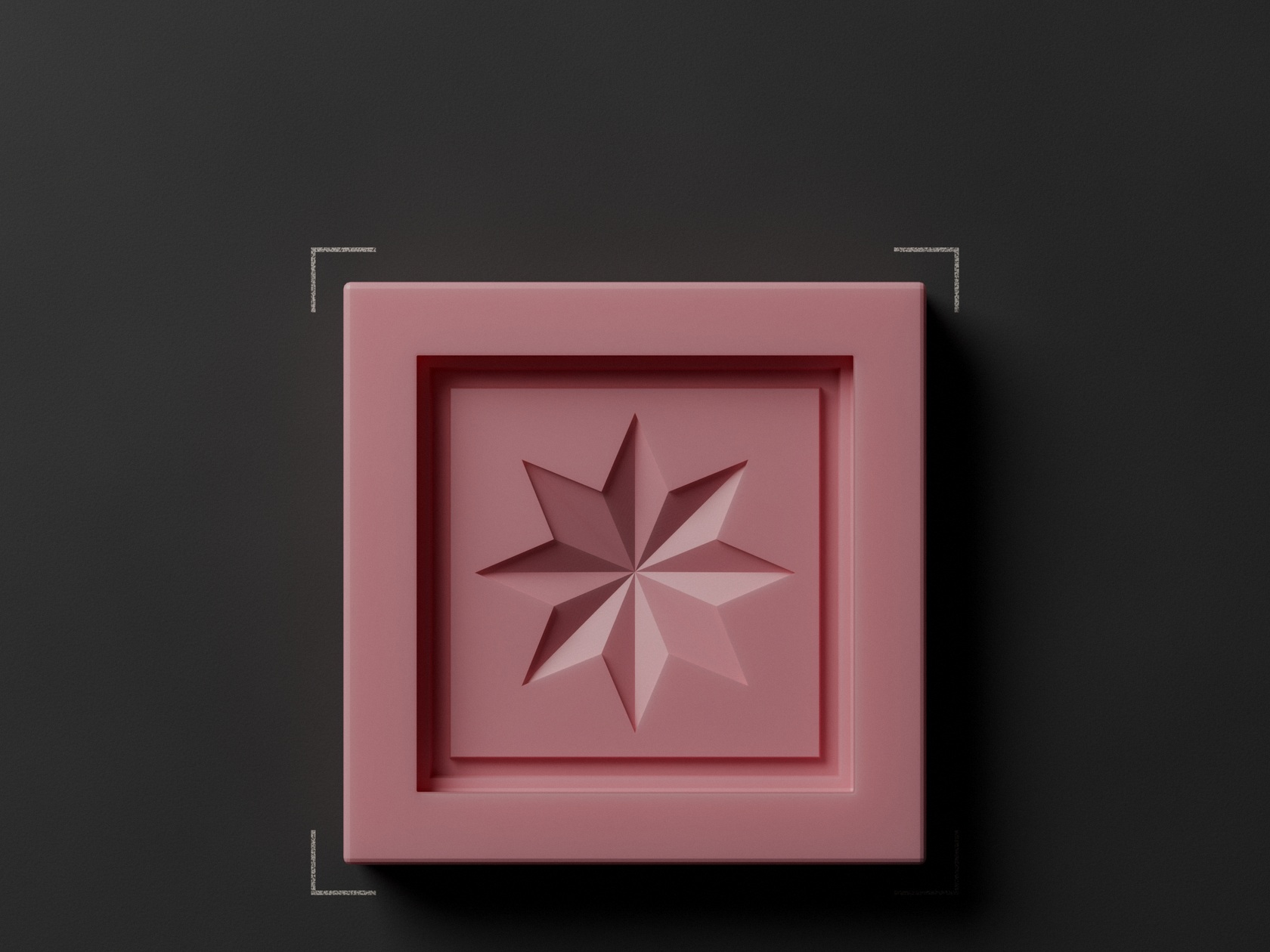
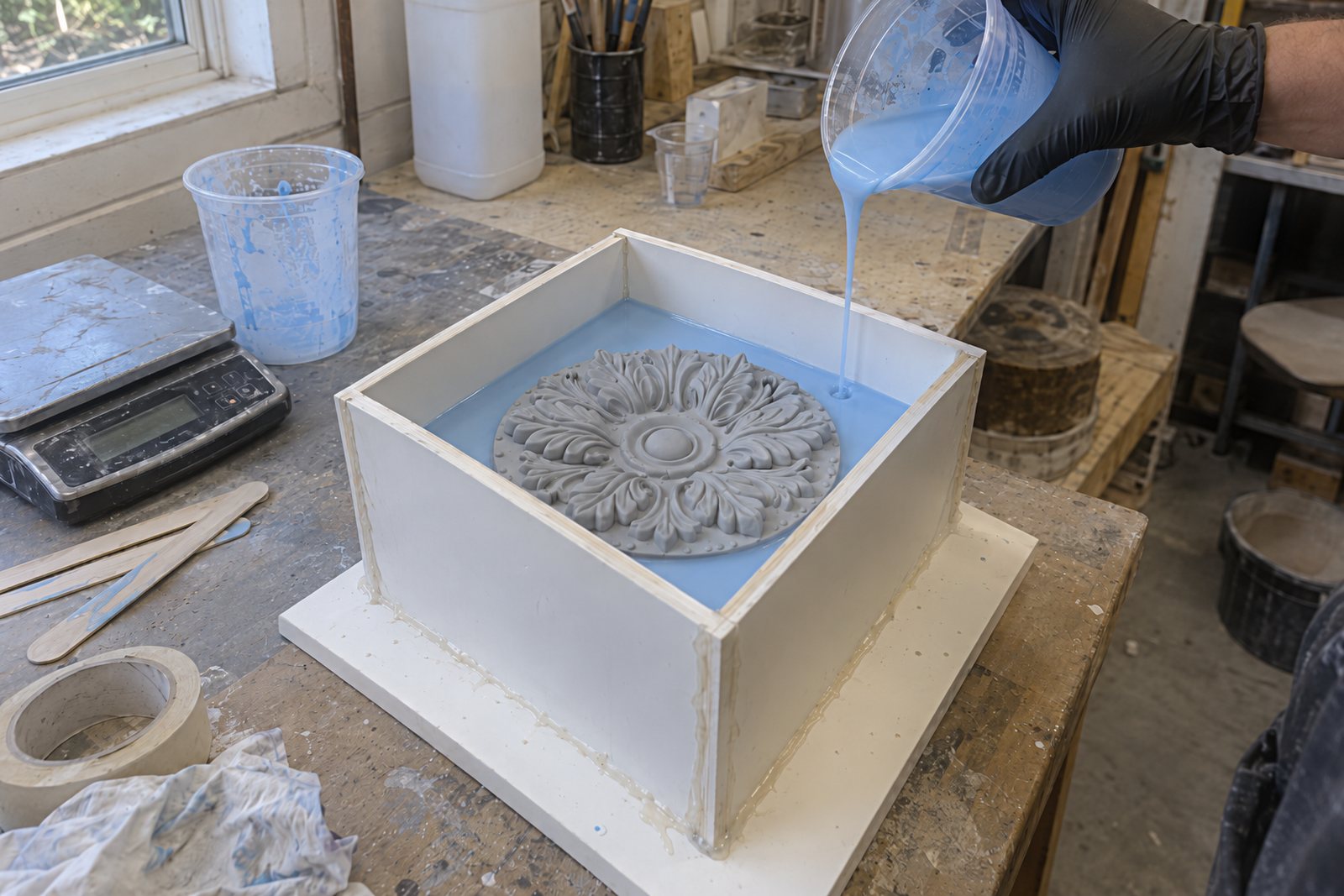
A silicone mould.
Silicone is poured around the master. Lift the master out and the mould holds its shape, in reverse.
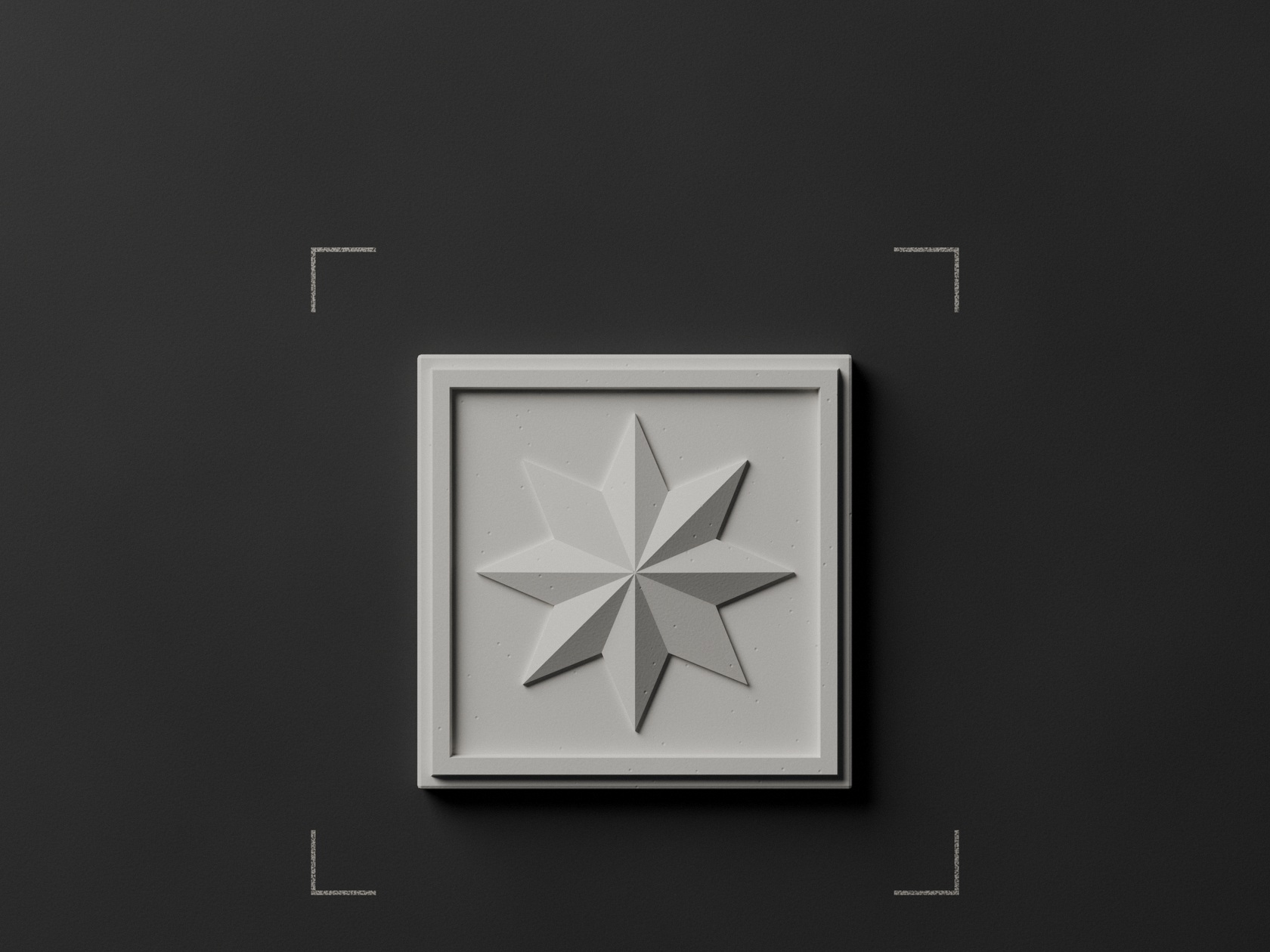
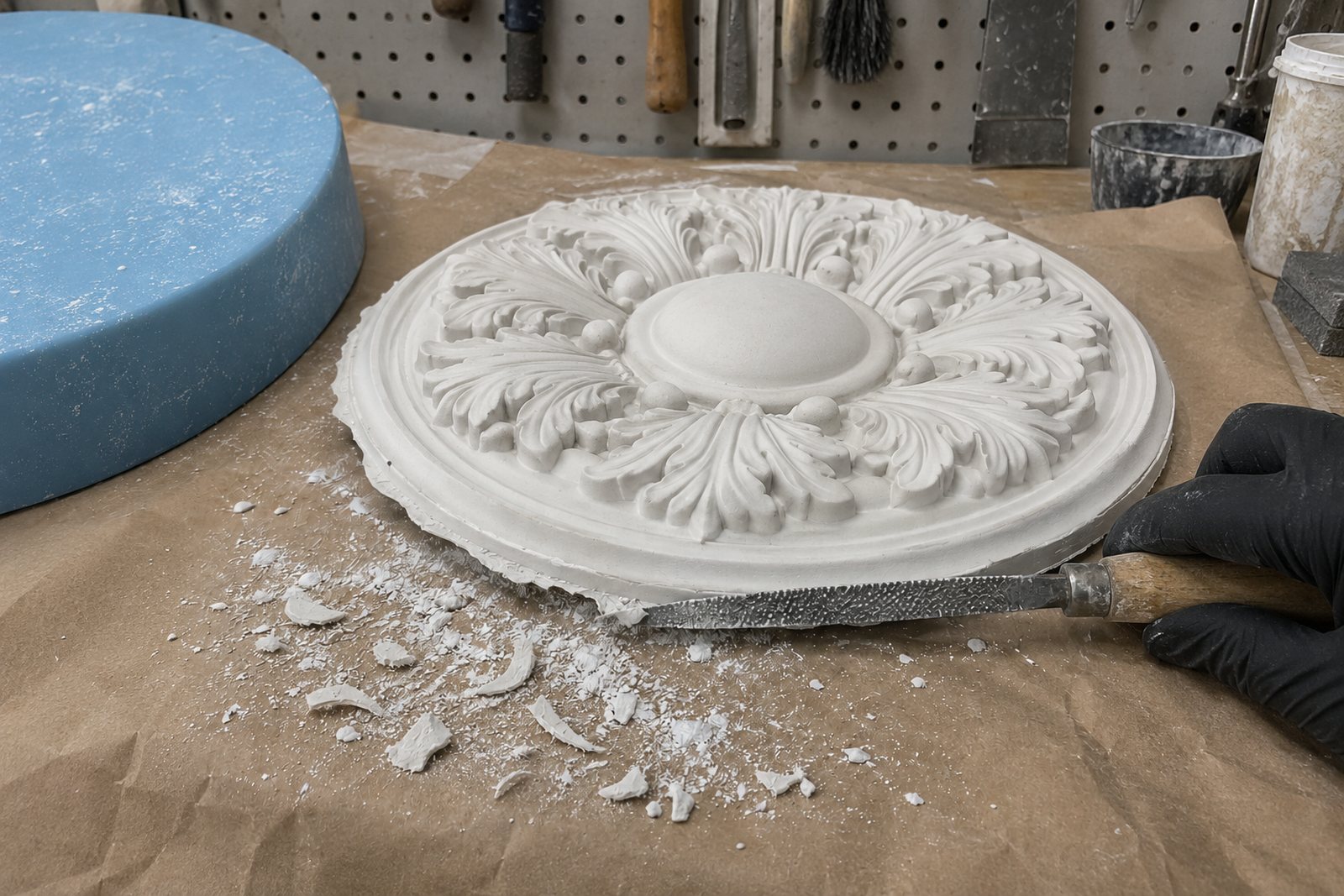
The cast copies.
Resin, urethane, plaster or cement is poured into the hollow, sets, and is turned out of the mould. The same mould gives the next copy.
Resin, plaster and cement casting.
Three kinds of material go into our silicone moulds. Tell us where the piece will live and we suggest one in the free review.
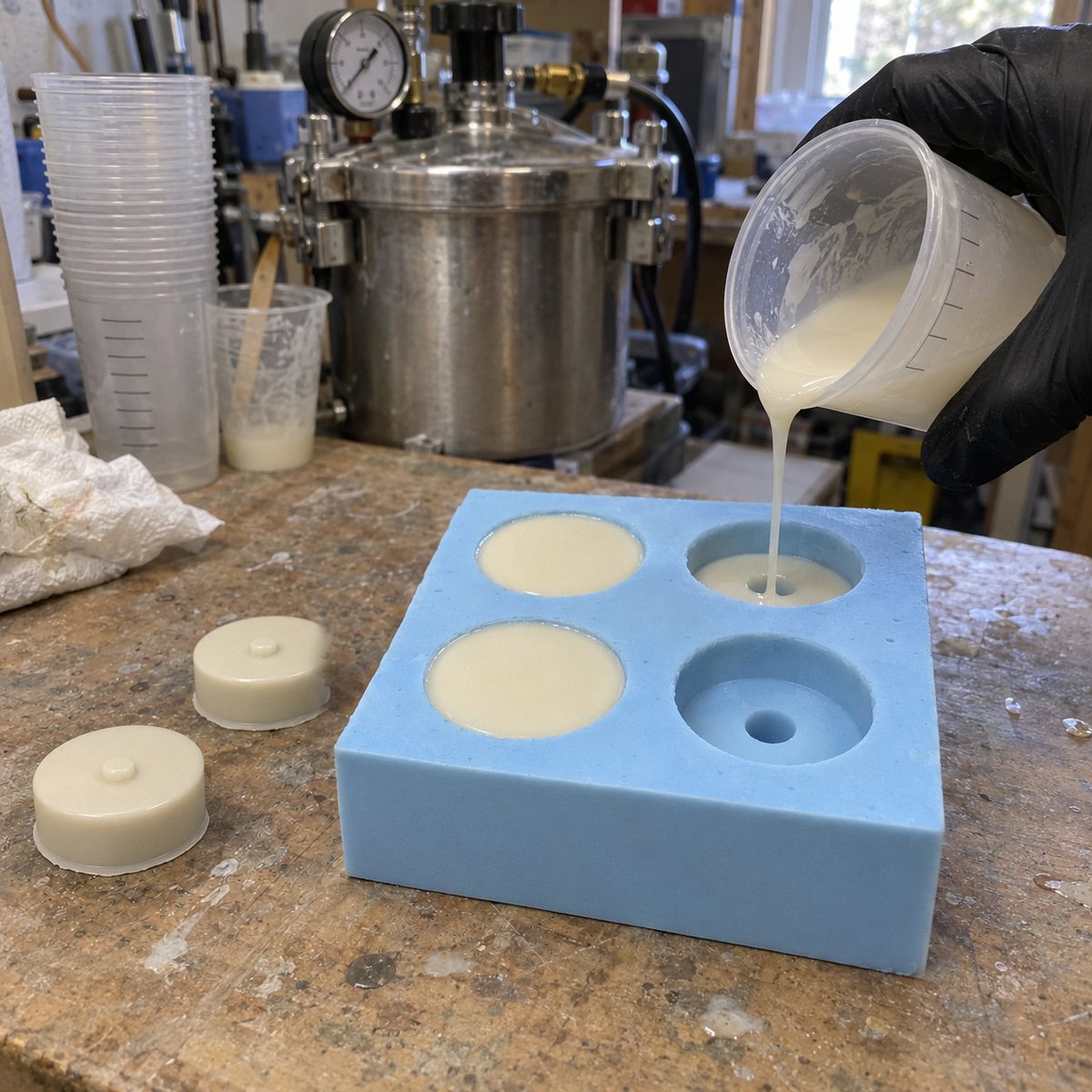
Resin and urethane casting.
Copies cast in resin or urethane from a silicone mould: a way to repeat a part without printing each one. Tell us the size, how many you need and where the part will be used.
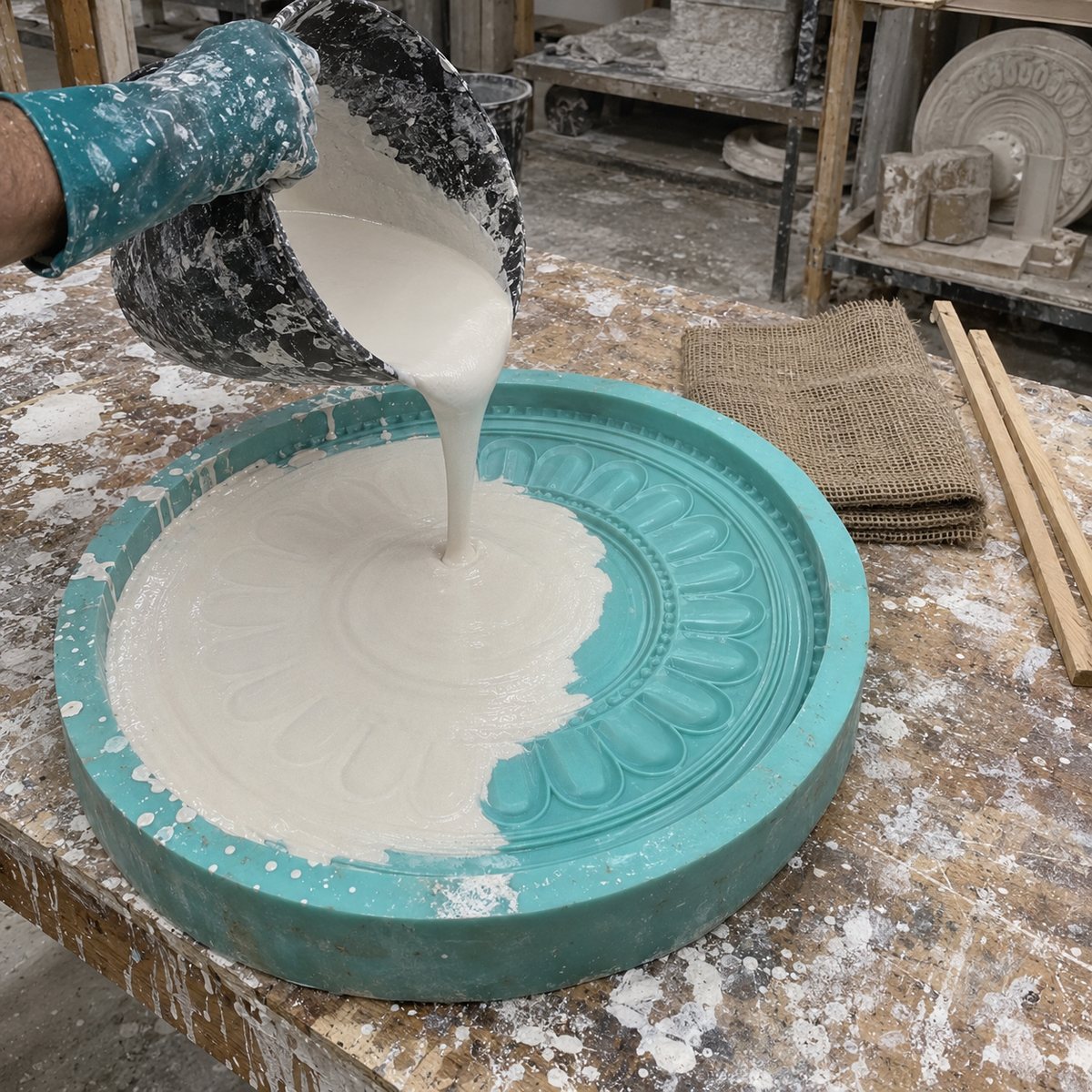
Plaster casting.
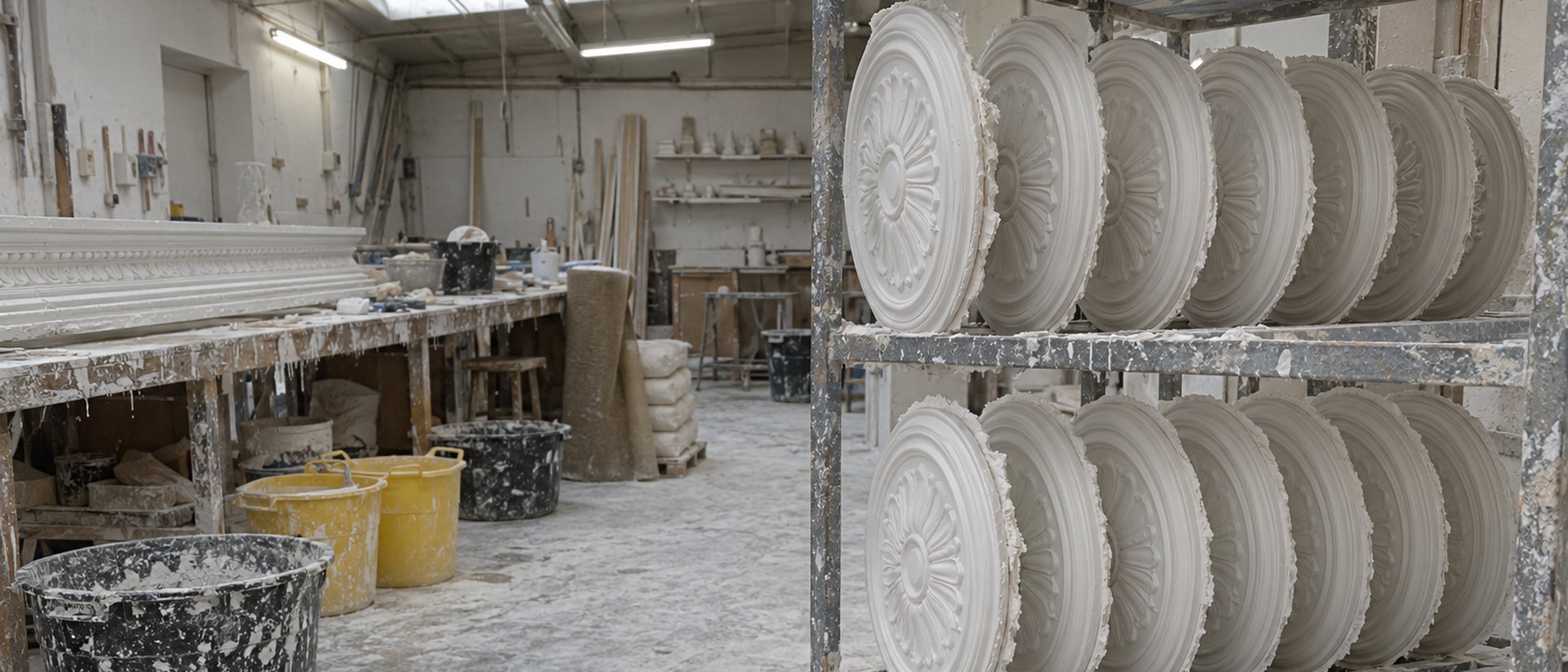
Plaster is not printed; it is cast. We 3D print the master, take the silicone mould and pour the plaster. Send the shape, tell us how many and where the casts will go.
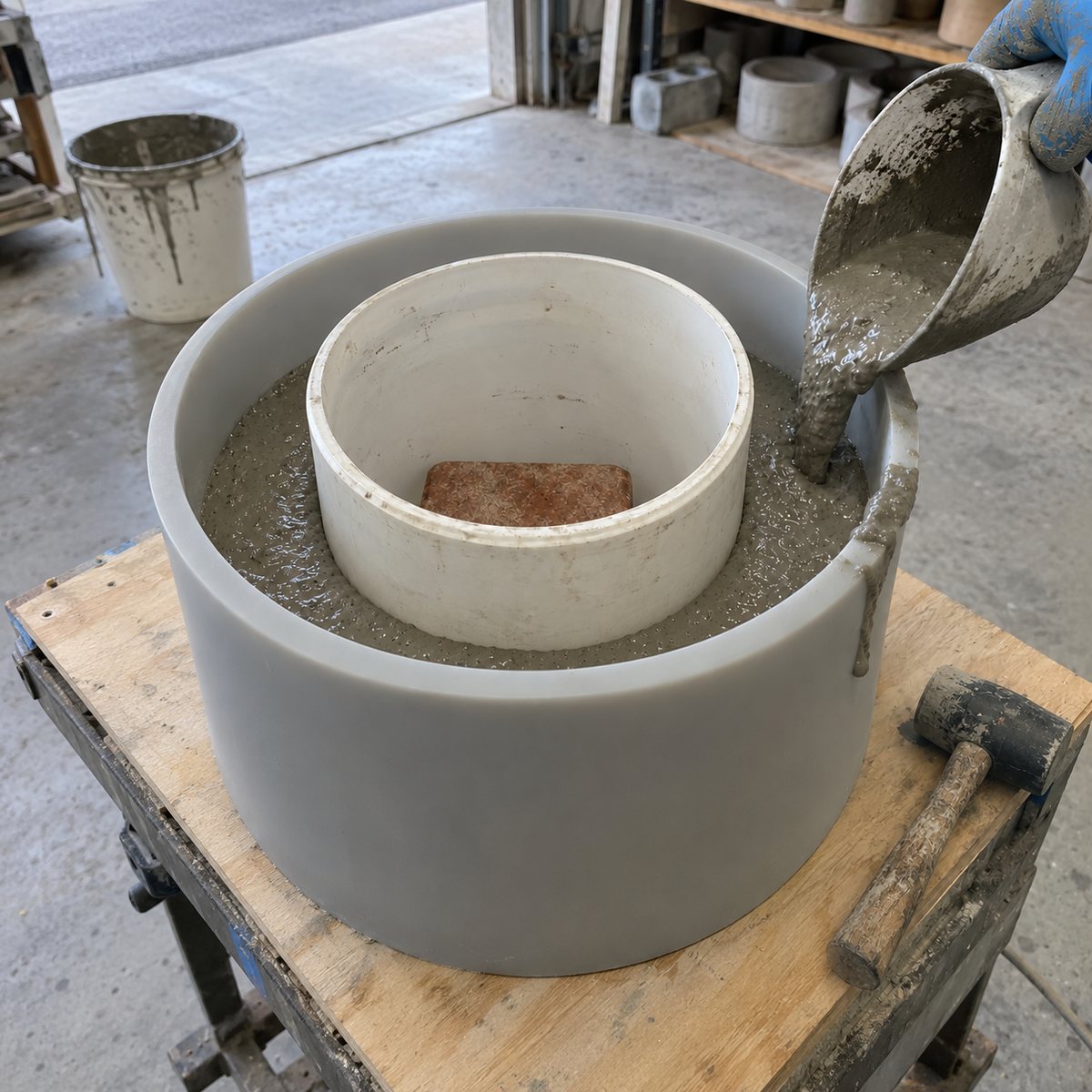
Cement casting.
Cement is cast the same way, in a silicone mould taken from a printed master. Send the shape, tell us how many and where the piece will live.
Casting or 3D printing?
Cast it when
- The piece must be plaster or cement. Those are only cast.
- You need the same shape again and again: one mould, copy after copy.
- You already have the piece and want more of it. We make the master from a 3D scan.
Print it when
- You need one piece: see custom 3D printing.
- You need a run of printed parts: see bulk 3D printing.
- The design is still changing. A print comes straight from the file.
Not sure? Send the piece. The free review tells you which one suits it.
Questions about mold making and casting.
Can you make a silicone mold of a piece I already have?
We 3D scan it, rebuild it as editable CAD, print the master and take the mould from that. A badly damaged piece, or one with shape missing, may not be copyable; the free review tells you.
Do I need a 3D file?
No. A photo, a sketch, measurements or the piece itself is enough to start. If you have a file, we accept STEP, STL, OBJ, IGES, DXF, PDF drawings and photographs.
What materials do you cast?
Resin, urethane, plaster and cement, each poured into a silicone mould. Tell us where the piece will live and we suggest the material in the free review.
Casting or 3D printing: which one for my part?
Plaster and cement are only cast; our 3D printing is FDM and resin only. A resin piece can be printed or cast; how many copies you need is part of that choice. For one piece see custom 3D printing; for a run, bulk 3D printing.
How many copies can one silicone mold give, and how close are they?
Both depend on the piece and the material. Ask in the free review, before anything is made.
How long does mold making and casting take?
It depends on the size of the job; there is no fixed number. A person replies to your request within one business day.
How much does mold making and casting cost?
It depends on the piece, the process, the material and the quantity. The review is free, and you owe nothing unless you approve a plan and production begins.
Do you ship cast parts?
We serve North America, and shipping is arranged per project.
It starts with your piece.
The review is free. A person replies within one business day.
Serving North America.